Most people flying Mumbai to Goa have done the train at least once. That is not a small thing given that the flight takes under an hour and the train takes anywhere from 8 to 12 depending on which service you are on. Around 48 trains cover this stretch daily, and the corridor fills up across that entire fleet in a way that is unusual even by Indian Railways standards.

Before booking, check the Train Schedule on RailMitra because Mumbai has three departure terminals for Goa trains and they are not interchangeable. If you want to similarly look for trains operating between any two major stations, you can use the trains between two stations service.
What the Konkan Railway Actually Is
The British surveyed this section of coastline and left. Tunnelling costs in the Sahyadri mountains were too high, monsoon flooding made bridge timelines unreliable, and the clay in certain hill sections destroyed imported drilling equipment. The project sat unbuilt until the 1990s when Indian engineers took it on anyway.
2,000 bridges, 91 tunnels, land acquired from over 42,000 individual owners across 4,850 hectares. Nine tunnels had to be dug by hand because the Swedish hydraulic equipment that was brought in could not get through wet clay. Nineteen workers died in those sections. The Karbude tunnel runs 6.5 kilometres. The Panvalnadi viaduct at 64 metres has support pillars taller than the Qutub Minar, which is a detail most passengers learn after the fact rather than while looking out the window. Getting from Mumbai to coastal Goa before this railway existed meant going inland through Pune and Miraj. Several extra hours, a route that exists now only as a comparison point.
Goa is what most people book this route for. Yet it was towns like Ratnagiri, Chiplun, Sindhudurg, smaller Konkan outposts once cut off until the 1990s – for which the train line brought deeper change than any seaside resort ever saw. That angle hardly appears when writers describe the route.
Major Stations on the Mumbai to Goa Route
Mumbai Terminals
Three stations send Goa-bound trains out of Mumbai. What counts changes based on your starting point.
Chhatrapati Shivaji Maharaj Terminus (CSMT) Surprisingly elegant, this rail hub stands among the finest I’ve come across – UNESCO even lists it as a heritage site. Trains such as Vande Bharat, Tejas, alongside Jan Shatabdi stop right at its platform. Constant movement fills the air; crowds linger through much of the day. Because of that rhythm, planning your arrival wisely makes sense.
Lokmanya Tilak Terminus (LTT) South of Goa, most trains roll past Kurla’s Lokmanya Tilak Terminus. At that point, the Matsyagandha stops – soon after, the Netravati pulls in, along with a few more bound for Kerala or Tamil Nadu. Eastern suburban passengers find it considerably easier than navigating to CSMT.
Bandra Terminus (BDTS) is mainly relevant for the BDTS Madgaon Express.
One option that does not get mentioned much: Panvel Junction. Most trains heading to Goa pull into that station. Coming from Navi Mumbai? Getting on at Panvel might save time. Travelers from Pune can bypass the city altogether, starting further out could work better.
Roha
Where the Konkan Railway technically begins. Central Railway hands over to the Konkan Railway infrastructure at Roha and the terrain outside the window shifts noticeably afterward. Most through-passengers stay on.
Chiplun
The Vashishti River runs through Ratnagiri district and Chiplun sits on it. Cashew processing and mango orchards in the surrounding hills. Platform vendors here carry things that are not on the pantry menu and will not appear two stations later. The stop is usually long enough to step out.
Ratnagiri
Ratnagiri is famous for its Alphonso (Hapus) mango variety across the world. This city has also been blessed with Panvalnadi viaduct and the Karbude Tunnel being present in the close vicinity. This means that when you approach this station from the northside, it is visually breathtaking.
If you want to get some good quality food in train, this station might be the right fit for you as the service is good. If you want to try something special and restaurant quality food, choose RailMitra’s options. If you are someone who is interested in coconut based non-veg and fish recipes, you will find several delectable options available at RailMitra.
Kudal
Off the train at Kudal, travelers step into Sindhudurg Fort’s shadow or head straight for Tarkarli beach. Diving deep underwater here sets it apart – Tarkarli leans hard on scuba, unlike typical sun-and-sand routes through Goa. The station is small but sees consistent traffic from passengers who break journey here deliberately rather than continuing south.
Sawantwadi Road
Sawantwadi Road is perhaps the last notable stop from Maharashtra on the route towards Goa. This station is famous for its lacquerware (fancy polished pottery items) and wooden toys that have been made for several generations.
Madgaon (Margao)
Fewer minutes on the road get you to places such as Palolem, Colva, or Agoda once you arrive at Madgaon. Most trains rolling in from Mumbai stop here, making it Goa’s busiest station by a wide margin. Upgrades rolled out in 2024 and 2025 focused squarely on moving people better as peak season crowds had been overwhelming platforms with sheer volume.
Karmali
Panaji is the state capital and Old Goa holds the Portuguese-era churches that appear on every heritage list for this region. Karmali is the station for both. Here, the Tejas Express pulls to a stop short of Madgaon – useful when aiming for the old towns up north instead of beach stretches down south. Step out at Karmali, point feet toward Panaji, suddenly the journey feels much lighter than landing deep in Madgaon then clawing way back upward. Arrival timing shifts meaningfully without saying so outright.
Thivim
North Goa beach travellers use Thivim. From here, Baga, Calangute, or Anjuna aren’t far away. If you step off the train at Madgaon and head north, minutes pile up – especially when waiting for an auto shows how slow things move along the coast. Thivim cuts that problem out.
Trains from Mumbai to Goa
Fastest Trains: Under 9 Hours
Vande Bharat Express (22229)
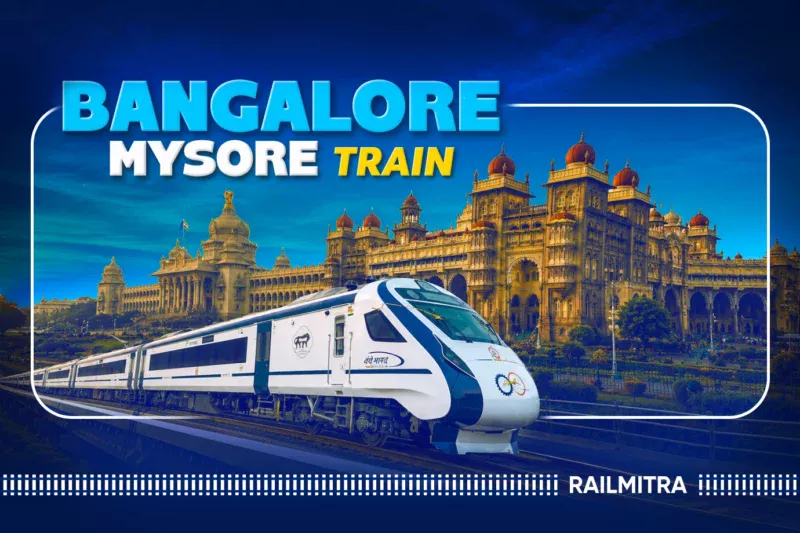
Seven hours forty-five minutes, CSMT to Madgaon. Rotatable seats, bio-vacuum toilets, windows wide enough to actually see the Konkan coast passing. Frequency drops during monsoon months because of increased track inspection requirements. Peak season availability on this train goes fast, so check Train Seat Availability on RailMitra well before you need the date rather than at the point of booking.
Tejas Express (22119)
CSMT to Karmali in roughly 8 hours 35 minutes. Aircraft-style layout, individual LCD screens. The Sol Kadhi on the menu is worth ordering: cold coconut milk and kokum, and it does the job after a heavy meal better than the standard cold drink options. Terminates at Karmali, which is useful if Panaji or the northern heritage sites are the actual destination.
NZM Madgaon Rajdhani (22414)
Starts at Hazrat Nizamuddin and reaches Madgaon approximately 9 hours 50 minutes after Mumbai. Useful mainly for passengers connecting from Delhi. 2A and 3A on this train fill fast on long weekends and during any holiday that pulls northern India traffic toward Goa. Waiting to check availability a week before travel tends not to work out.
Semi-Fast Trains: 9 to 11 Hours
Jan Shatabdi Express (12051)
Most folks heading from CSMT to Madgaon spend roughly nine hours and twenty minutes on board. Glass ceilings and broad windows define the Vistadome car here, setting it apart from regular seating. First-timers along the Konkan route often choose Jan Shatabdi mainly because of that unique coach. Cheaper than Vande Bharat or Tejas, the ticket price adds to its appeal.
Matsyagandha Express (12619)
LTT to Madgaon in approximately 9 hours 55 minutes, then continuing to Mangaluru. For passengers coming from the eastern suburbs, the LTT departure point is a practical advantage over CSMT. Multiple class options available.
LTT Karmali Express (22115)
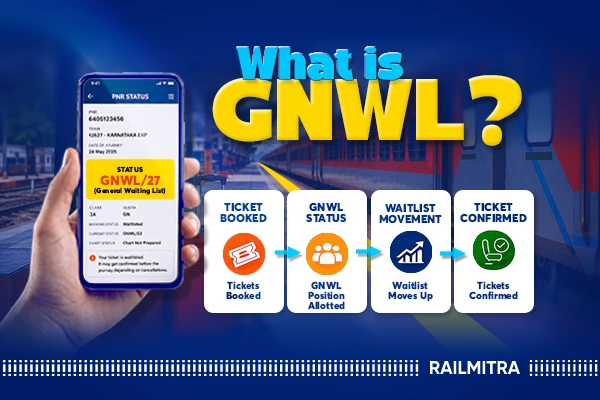
LTT to Karmali, around 9 hours 53 minutes. Waitlist pressure on this train during Diwali and Christmas is significant. Waitlisted tickets here behave differently than on the Mandovi or Netravati, so track your PNR Status on RailMitra and watch how the numbers move as the date gets closer.
Mangaluru Express (12133)
Making your way from CSMT toward Mangalore Junction takes roughly nine hours and thirty-six minutes. Through Goa the train rolls, hitting each station en route. The right choice when coastal Karnataka is the destination rather than Goa itself.
Konkan Kanya Express (20111)
Evening departure from CSMT, Goa the following morning, around 10 hours 43 minutes in total. Some folks who ride this route often already know which train they prefer – the Konkan Kanya or the Mandovi – for overnight trips. Their minds are made up, and explaining why can go on awhile.
Scenic and Overnight Trains: 10 to 12 Hours
Mandovi Express (10103)
CSMT to Madgaon, around 12 hours, running through the day. The pantry car has a nickname: the Food Queen. Hot poha and idli before Mumbai is behind you. Kolhapuri chili chicken and dal-rice through the afternoon. Vada Pav from vendors at major stops. Matka Dahi in earthen pots somewhere mid-journey, gone quickly. Platform vendors at Ratnagiri bring jackfruit chips and Alphonso mango products during summer months. The food is why some people pick this train over the faster options despite the extra hours.
Netravati Express (16345)
This train moves fast, hitting Madgaon nearly eleven hours later before pressing onward to Thiruvananthapuram. When rain hits the Konkan coast, timing gets shaky, unlike many other lines where things stay steady. If travel plans fall between June and October, a quick look at RailMitra’s live train status helps avoid surprises.
HAPA Madgaon SF Express (22908)
Hapa to Madgaon, about 11 hours 40 minutes after Mumbai. Starts in Gujarat. Passengers connecting from the Gujarat coast use this one rather than rerouting through a different service.
LTT Madgaon Express (11099)
LTT to Madgaon, approximately 11 hours 10 minutes. Stops at most intermediate stations, multiple class options. Less waitlist pressure than the Mandovi or Konkan Kanya on most dates.
Long-Distance Trains Passing Through
Some trains along this route begin in the north or west of India, rolling into Mumbai before continuing onward without transfers. Heading out from Chandigarh toward Madgaon, the Goa Sampark Kranti (12450) offers rare nonstop access from northern regions – roughly 12 hours and 30 minutes past Mumbai arrival. Past Patna now, the PNBE VSG Express (12742) moves ahead toward Vasco Da Gama, ideal if you’re setting off from Bihar or eastern UP. From Amritsar rolls the ASR KCVL SF Express (12484), slicing through the country until just shy of Madgaon, about 11 hours and 10 minutes past Mumbai. Coming down from Chandigarh, the Kerala Sampark Kranti (12218) slips into Madgaon along its path – fits well those heading toward Goa.
Train Fares from Mumbai to Madgaon
| Train | Sleeper (SL) | 3 AC (3A) | 2 AC (2A) | CC / Chair Car |
| Vande Bharat (22229) | N/A | N/A | N/A | Rs 1,500 to 1,800 |
| Tejas Express (22119) | N/A | N/A | N/A | Rs 1,100 to 1,400 |
| Jan Shatabdi (12051) | N/A | N/A | N/A | Rs 700 to 900 |
| Mandovi Express (10103) | Rs 400 to 500 | Rs 1,050 to 1,200 | Rs 1,500 to 1,700 | N/A |
| Netravati Express (16345) | Rs 380 to 480 | Rs 1,000 to 1,150 | Rs 1,450 to 1,600 | N/A |
| Konkan Kanya (20111) | Rs 390 to 490 | Rs 1,000 to 1,150 | Rs 1,450 to 1,600 | N/A |
| NZM MAO Rajdhani (22414) | N/A | Rs 1,600 to 1,900 | Rs 2,200 to 2,600 | N/A |
These are indicative ranges. Fares shift with booking date, class, and quota availability. What is showing on RailMitra on the day you check may be different, particularly for trains that see heavy demand like the Vande Bharat and Rajdhani.
Food on the Mumbai to Goa Train
The Mandovi pantry car gets written about the most, but station food on this corridor is a separate conversation.
At Ratnagiri and Chiplun, platform vendors bring things onto the train that do not appear on any pantry menu and will not show up at the next stop either. Jackfruit chips when in season. Alphonso mango products. Earthen pot preparations that vary by what is locally available that day. The food writing about this route mentions these regularly, but they do not appear on any ticketing or ordering platform.
For food ordered from restaurants at stations rather than bought from vendors, RailMitra’s book food in train service covers Ratnagiri and several other stops along the corridor. The Malvani fish thali is the order worth placing: pomfret or surmai, coconut-based gravy, rice. Surmai tends to be the more consistent option between the two when ordering remotely. Place the order well before the station, not as you are arriving.
On the Tejas Express, Sol Kadhi is the menu item that fits the route. Cold coconut milk and kokum, served alongside the standard hot options. On the Vande Bharat the meals are standardised but the Konkan influence shows in the options. The Mandovi pantry remains the reference point for onboard food on this entire corridor, though.
Monsoon on the Konkan Line
June to October runs differently. Around June 15 each year the monsoon timetable kicks in and most things change. Speed on vulnerable sections drops to 40 km/hr. Some trains run fewer days per week. Around 672 KRCL staff patrol the line through the season. Rain gauges at nine stations and flood warning systems on the Savitri and Vashishti river bridges send alerts when water levels or wind speeds on the viaducts go above threshold.
The scenery during monsoon is what draws some travellers to this window specifically. Hundreds of waterfalls run off the hillsides. The river mouths below the viaducts look like inland lakes during peak rainfall. The forest cover is at its thickest. None of which changes the fact that delays are harder to predict in this window than any other time of year on this line. Check Live Train Status throughout the journey if travelling between June and September, not just at departure.
Booking Tips and Waitlist
Goa trains fill up. Not just during the obvious holidays, though Diwali and Christmas are genuinely difficult windows. The October to March stretch runs at close to 100% occupancy across most of the fleet, and long weekends in that period behave like peak holidays for waitlist purposes. Tatkal for AC classes opens at 10:00 AM, for non-AC at 11:00 AM, one day before the travel date. On a popular departure during a busy weekend, the quota is gone within minutes of opening.
Waitlist behaviour is not uniform across trains. Sleeper class on the Mandovi or Netravati typically moves more than 2A on the Rajdhani during high season. A WL ticket in double digits a week before a peak departure is unlikely to be confirmed on this corridor. Track your PNR Status on RailMitra and have a backup plan in mind if the numbers are not moving by five or six days out.
Mumbai to Goa: Final Word
A flight takes under an hour. The Vande Bharat takes under 8 hours. Mandovi takes 12. The trains still run full most days of the year.
Cost is part of that. Airport distance from most of where people in Goa actually want to be is another part. But the Mumbai to Goa journey through the Konkan Railway has its own pull that is separate from either of those reasons, and people who have done it once tend to come back to the train deliberately rather than settling for it when flights are sold out.
The Vande Bharat if speed is the point. The Mandovi if food and the full daytime scenery across the Konkan are the point. The Jan Shatabdi with the Vistadome if looking at the Western Ghats through a glass roof is what the trip is actually for.